
ACH2026 supported six successful regional hubs around North America. Each hub was united in their endeavours to ground the online ACH conference in community and collaboration. All of the hubs welcomed diverse voices and perspectives to their events, bringing in community experts and uniting librarians, archivists, teaching and research faculty, students, and even curious family members in the exploration of digital humanities. Photos of the various events, spaces, and gatherings can be found here.
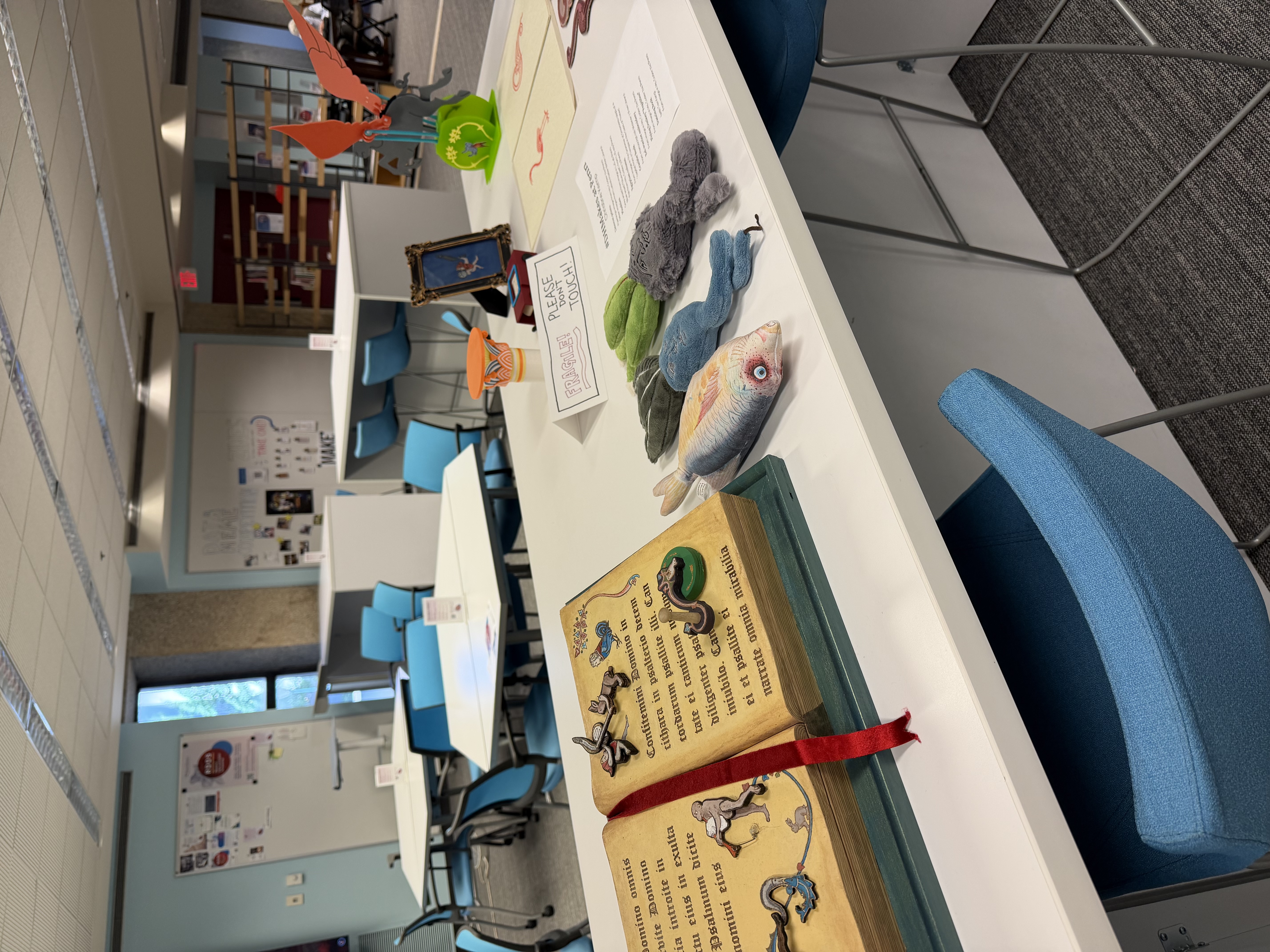
In the Midatlantic, participants from the Penn Libraries, the Price Lab for Digital Humanities, Princeton Library, the Princeton Center for Digital Humanities, Temple University Library, and Rutgers engaged in conference watch parties, as well as a hub-organized lightning session, #DHMakes experiential activities, and a happy hour. In the words of the Midatlantic organizers, “It was lovely to bring together local DH practitioners (including some emerging scholars and students!) together for conversations and comradery and we hope that it will strengthen our community in a challenging funding and scholarship environment.”
Up the road at Brown University, the Center for Digital Scholarship hosted a gathering for their community. More information can be found on the conference website.
In St. Paul Minnesota, Macalester College gathered staff, librarians, and technologists from both Macalester and Carleton for midwest regional events. After keynote and panel watch parties, attendees discussed topics including the possibilities and challenges of digital storytelling projects, accessibility, and community engagement. The hub screened a Project Pericles-funded short film by Macalester student Moises Soto Puente detailing the making of the Rondo Commemorative Plaza, a brick courtyard memorializing the large swaths of the African American neighborhood destroyed by construction of the I-94 freeway. The film documents not only the process of creating this new community space, but highlights and preserves stories from the Rondo community.
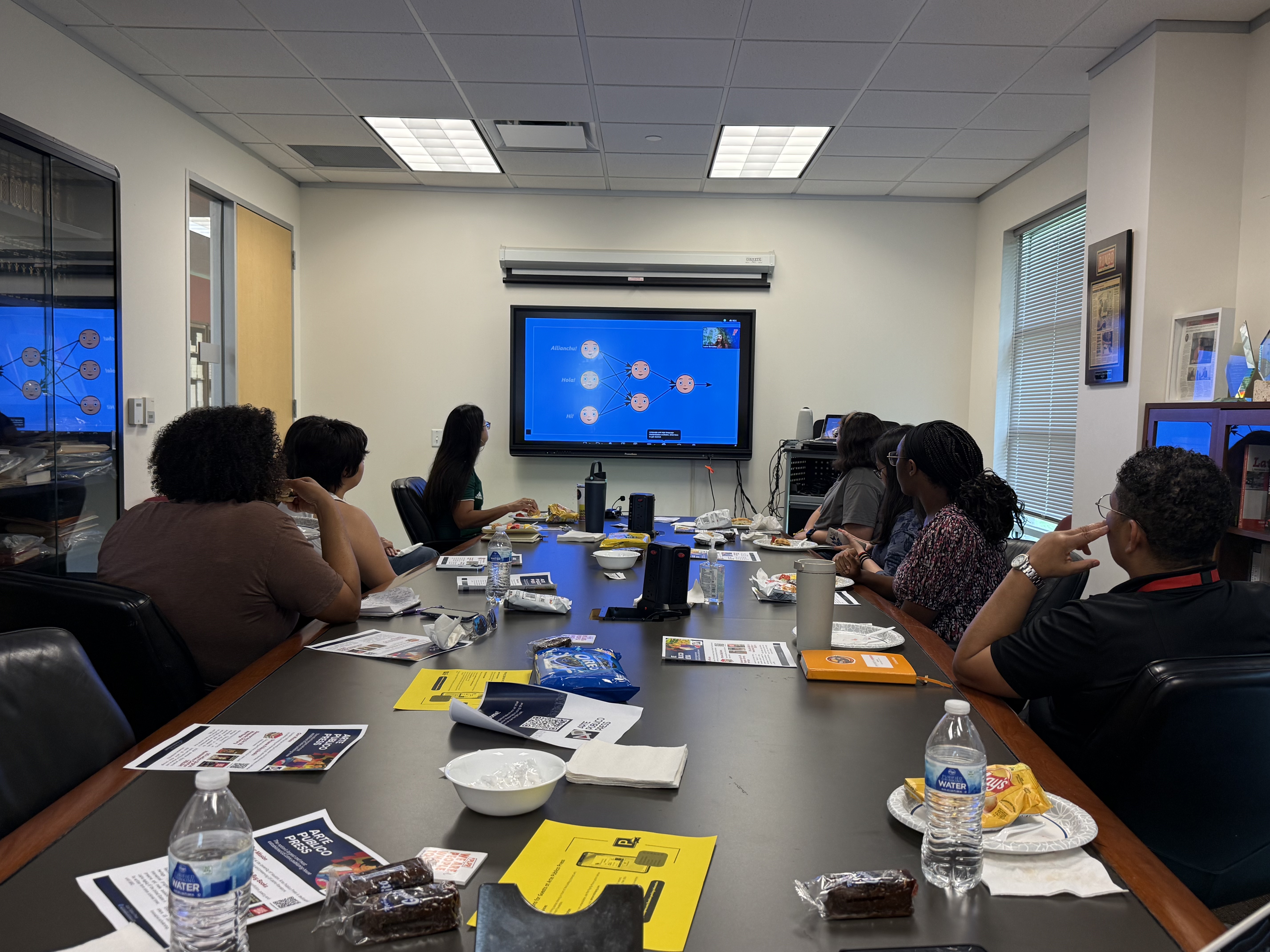
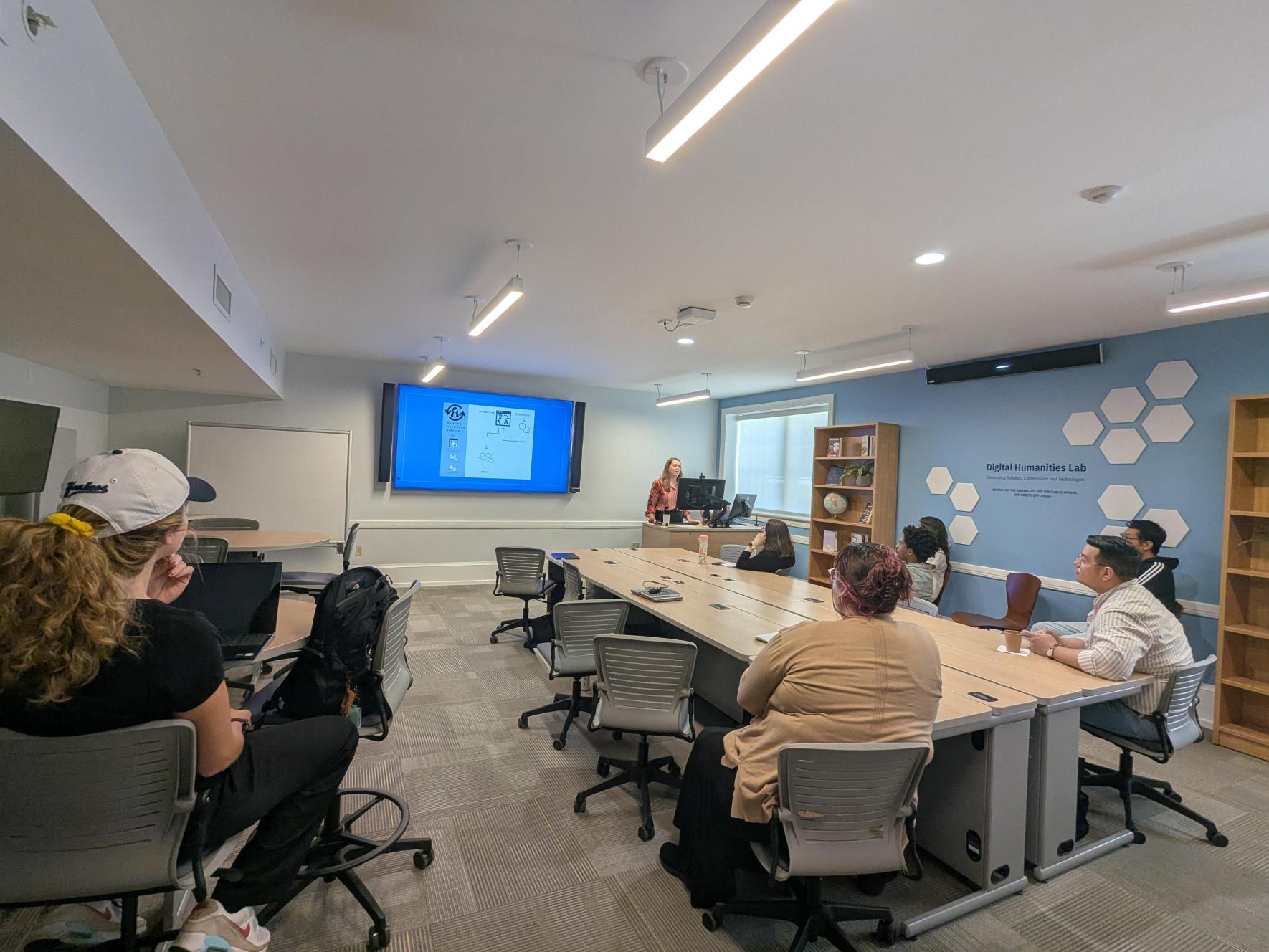
Participants in the southern United States joined the U.S. Latino Digital Humanities Center (USLDH) and the University of Florida Center for the Humanities and the Public Sphere for conference keynote watch parties and post-presentation discussions. During the presentation “Recetas de las Américas: A Dataset of Historical Newspaper Recipes,” by UF affiliates Sarah Tew and Melissa Jerome, hub attendees combined the analog, digital, and culinary by indulging in Refresco de Avena, a summertime beverage made of oats, milk, and spices.
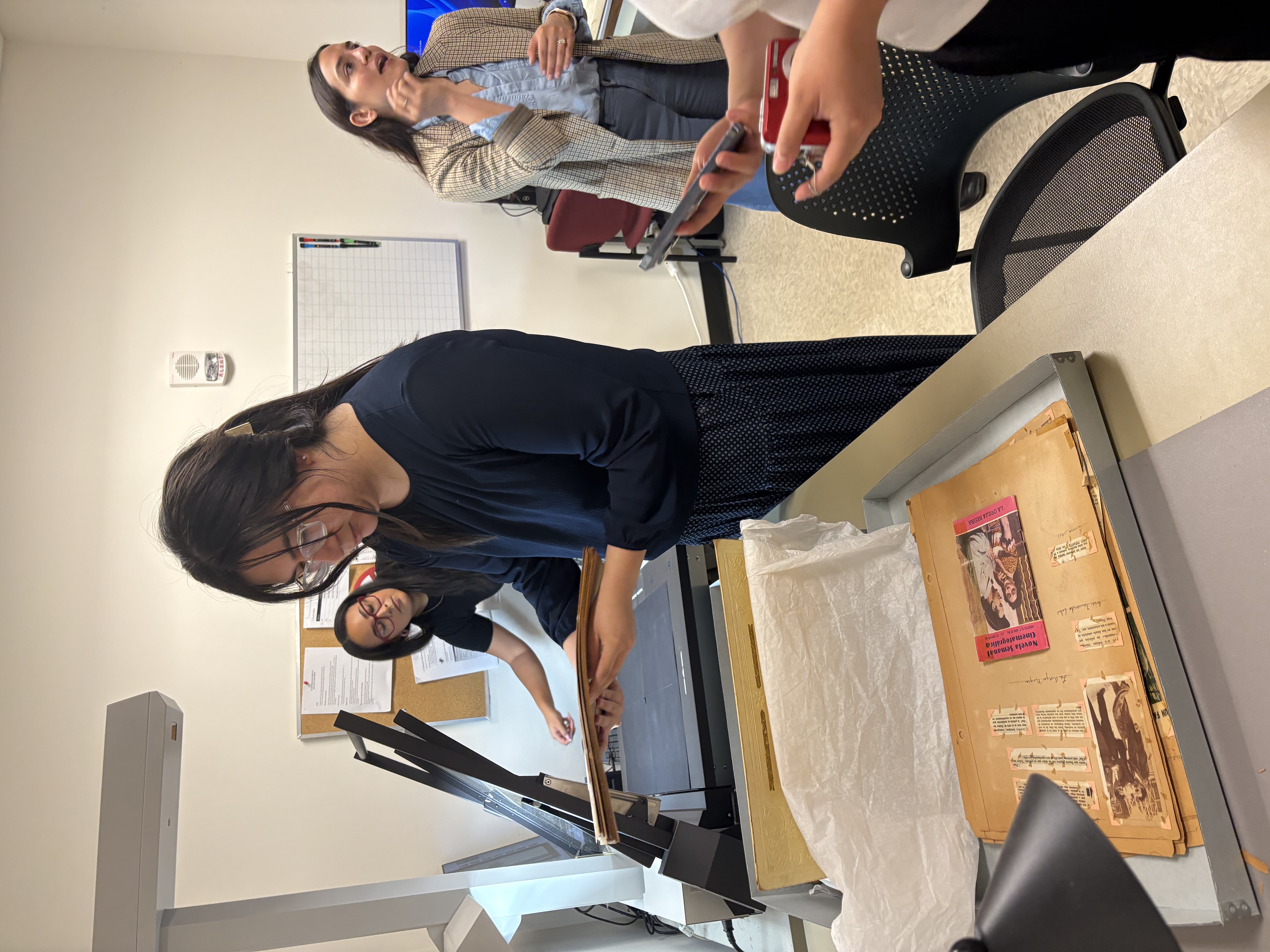
USLDH hosted faculty, students, archivists, librarians, and community members for a guided tour of Arte Público Press and the Recovering the US Hispanic Literary Heritage collections. As the organizers write, “The tour…showcas[ed] digital projects that preserve and expand access to the cultural legacy of US Latinas/os/xs. [Participants] learned about community archiving initiatives, bilingual metadata practices and the ways students are trained to work with cultural data using ethical, community-centered methodologies.” Each attendee received a copy of Leonor Villegas de Magnón's memoir, The Rebel, which provided “an example of how the analog and digital access work together to recover and share historically marginalized voices.”
Finally, out west the Southern California hub, hosted by the University of California-Irvine, gathered attendees from the Cal State system, the California Community Colleges system, and the UC system for hybrid watch parties and discussions. Organizers made use of Cryptpad for collaborative collection of notes, questions, discussion points, resource links, and teaching ideas. Participants especially engaged in conversation around the opportunities to promote ethical and equitable “DH tools and methods in the shadow of generative AI, in resistance to commercial tech capture of higher ed.”
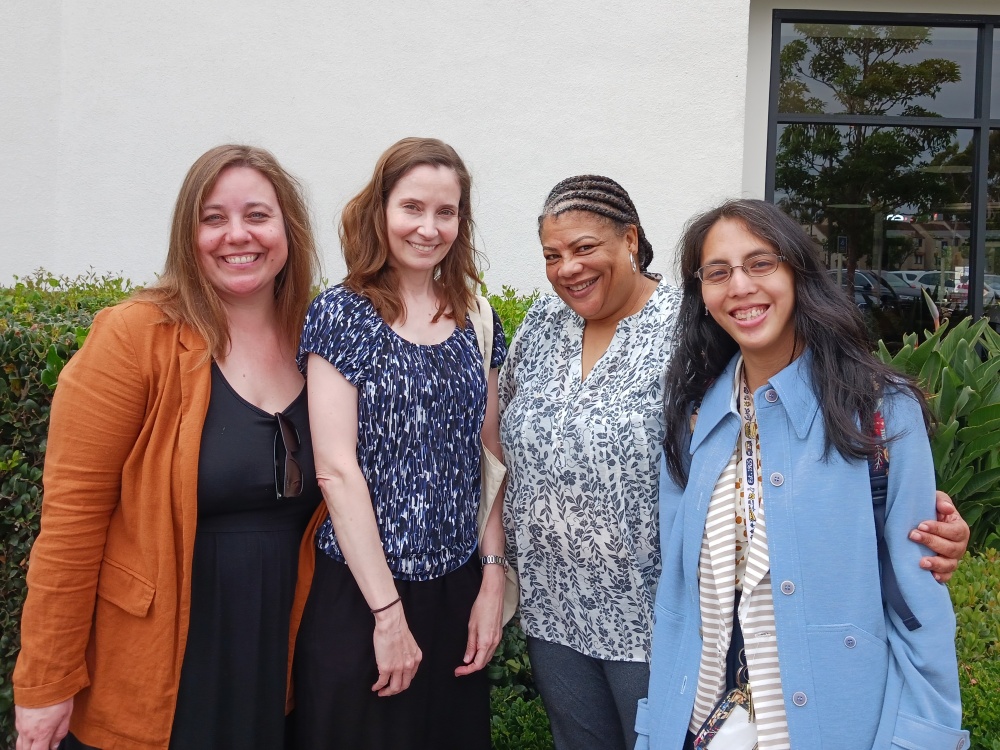
The spaces created by ACH2026 and the Regional Hubs empowered DH practitioners from diverse backgrounds to not only discuss shared concerns about institutional and resource challenges, but, in the words of the SoCal organizers, think deeply about the “care-ful use of technology” and “shifting to relational, embodied, and joyful alternatives.”